
Metal Building Framing Systems
The framing system is the structural backbone of your steel building. Frame type affects clear-span width, roof shape, interior column placement, building height, cost, and how the space can ultimately be used.
Box Metal Buildings offers a wide range of framing configurations for commercial, agricultural, storage, retail, aviation, and other applications. You don’t need to know which frame type you need before contacting us. Our team can help determine the best fit based on your building dimensions, intended use, design goals, and budget.
Choosing the Right Steel Building Frame
The right frame depends on more than the overall size of the building. Different framing systems are better suited to different spans, roof styles, interior layouts, and functional requirements.
Building Width and Clear-Span Needs
One of the biggest considerations is how much open interior space you need.
A clear-span frame can provide a wide, unobstructed interior without the need for support columns, which is useful for warehouses, shops, aircraft hangars, recreational buildings, and other applications where open floor space matters.
For wider buildings, multi-span framing may be more economical if interior columns can be accommodated.
Roof Shape and Building Use
The intended use of the building often influences the roof and frame configuration.
Traditional gable frames work well for many general-purpose buildings, while single-slope, monitor, gambrel, lean-to, and other frame styles may be better suited to specific architectural or functional needs.
The right configuration should support both the way the building needs to perform and the way you want it to look.
Interior Space and Column Placement
Interior columns can reduce framing costs on larger buildings, but they also affect how the space can be used.
For some projects, columns are easy to work around. For others, such as aircraft hangars, large equipment storage, manufacturing, or open retail space, uninterrupted floor area may be much more important.
Planning this early helps avoid creating structural layouts that interfere with the building’s intended use.
Cost, Function, and Design
The most complex framing system is not always the best choice.
In many cases, a simpler frame can provide the performance you need at a lower cost. In other projects, a specialty frame may be worth the additional expense because it improves usable space, accommodates equipment, supports a particular roofline, or meets an architectural goal.
Our team can help balance structural requirements, functionality, appearance, and budget so the frame works for the project as a whole.
Common Metal Building Frame Types
Steel buildings can be engineered with a variety of frame configurations depending on the building width, roof design, interior layout, and intended use.
The examples below show many of the frame types available through Box Metal Buildings. These illustrations are intended to help you understand the differences between common framing options, not to require you to select a frame on your own.
We’ll help determine which framing system is appropriate once we know more about your building dimensions, location, use, and design requirements.

Rigid Frame Tapered Column & Rafter
Traditional Rigid Frame designed with Tapered columns and Tapered Rafters.

Rigid Frame (Straight Column & Rafter)
Traditional Rigid Frame designed with Straight columns and Rafters rather than tapered.

Rigid Frame (Straight Column & Tapered Rafter)
Traditional Rigid Frame designed with Straight columns, but Rafters can be Tapered.

Rigid Frame Tapered Column & Straight Rafter
Traditional Rigid Frame designed with Tapered columns but Rafters are Straight.

Rigid Frame Supermarket Column Tapered Rafter
This frame is designed with the lower portion of the columns as straight. This allows Supermarket shelving to save space but takes advantage of the available area above the shelving.

Rigid Frame (Reversed Supermarket Columns)
This Frame option is typically used with Crane brackets to attach a bridge crane to a flat surface.

Multi-Span Rigid Frame Single Slope
This Frame is designed with one roof surface (Single Slope) and provides multiple rafter spans giving the ability to span wider while keeping the cost of the larger span down for single slope buildings.

Multi-Span Rigid Frame (Straight Depth)
This Frame option provides multiple rafter spans giving the ability to span wider while keeping the cost of the larger span down for gabled buildings.

Single Slope (Straight Column & Rafter)
This frame has one roof surface (Single Slope) but is designed with Straight columns and Rafters.

Single Slope (Tapered Column & Rafter)
This frame has one roof surface (Single Slope) but is designed with Tapered columns and Rafters.

Multi-Span Rigid Frame (Tapered Column & Rafter)
This Frame option provides multiple rafter spans giving the ability to span wider while keeping the cost of the larger span down for gabled buildings.

Lean-to or Beam-Column
This Frame option is used for Lean-to frames attached to a traditional Rigid frame.

Monitor Rigid Frame
This Frame option is used when a monitor shape is needed which typically has windows in the upper walls and a second floor is not needed.

Piggyback Frame
Similar to the Monitor Frame but one framed designed to rest on top of the other. Usually, the upper portion is used for ventilation.

Gambrel Rigid Frame
This Frame option is used if one continuous frame design is needed with multiple roof surfaces.

T-Frame
This frame is designed with one column to allow access to lumber or materials to be lifted without fear of forklifts or others hitting columns.

Multi-Span T-Frame
This Frame option extends the rafters over the columns to create sidewall extensions.

Jack Beam Supported Frame
This frame option is for T-Hangar buildings that have “T” shaped units for airplanes.

Beam Rafter
This rafter design is used to support roof framing and is supported by other frame columns or walls by others.
Additional Features
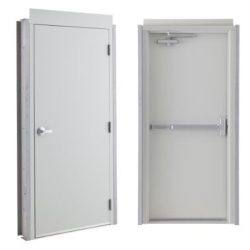
Explore steel building accessories including doors, insulation, windows, vents, wainscot, and extensions, plus planning guidance for your project.
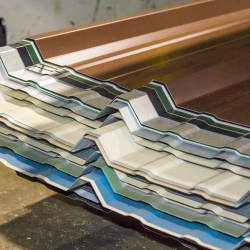
Explore steel building colors for wall panels, roofing, trim, doors, and accessories, plus paint system options and tips for choosing the right combination.
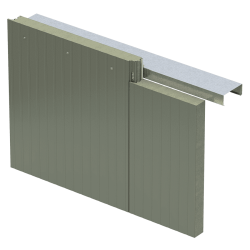
Compare metal wall and roof panel systems for steel buildings from Box Metal Buildings, including R-Panel, exposed fasteners, concealed fasteners, and standing seam options.