
Metal Wall & Roof Panel Systems
The wall and roof panels you choose affect more than the appearance of your steel building. Panel profile, fastening method, and application can all influence weather performance, maintenance, cost, and the overall look of the finished structure.
Box Metal Buildings offers several metal panel systems for different building types and design goals. Our team can help you compare the available options and determine which panel profiles make the most sense for your walls, roof, budget, and intended use.
Choosing the Right Metal Building Panel
Not every panel system is designed for the same application. Some profiles work especially well for walls, while others are better suited for roofing. The right choice depends on the building design, the look you want, and the level of performance your project requires.
Wall Panels vs. Roof Panels
Wall and roof panels may look similar, but they are not always used in the same way. Roof panels have to manage water runoff, weather exposure, and roof slope, while wall panels are often selected with both appearance and durability in mind.
Some profiles can be used for both applications, while others are better suited to a specific part of the building.
Exposed vs. Concealed Fasteners
One of the biggest differences between panel systems is how they attach to the building.
Exposed-fastener panels use visible screws through the face of the panel. They are widely used because they are straightforward, economical, and effective for many commercial, agricultural, and storage buildings.
Concealed-fastener systems hide the attachment points beneath the panel or seam. These systems can create a cleaner appearance and may offer additional weather protection, making them a good fit for projects where architectural appearance or long-term performance is a higher priority.
Appearance, Performance, and Budget
Panel selection is often a balance between appearance, performance requirements, and project budget.
A straightforward exposed-fastener panel may be the best fit for a functional shop or agricultural building, while a concealed-fastener system may be preferred for an office or retail building, hangar, or other project where aesthetics are more important.
Our team can help you compare those tradeoffs rather than expecting you to know which profile you need before you request a quote.

Common Metal Building Panel Profiles

AVP Panel
Recommended Use: Walls
Attachment: Exposed Fasteners
Substrate: None – Directly on Purlins
Best For: Commercial, agricultural, storage, and other projects where a clean wall profile and economical installation are priorities
The AVP Panel's pencil rib feature provides improved aesthetics to buildings.
This panel design provides more space for insulation to be added behind the panel, leading to a higher insulating value that meets energy code requirements through a higher R-Value.
The AVP panel offers a streamlined exterior appearance with the simplicity of an exposed-fastener system. It’s a practical choice for wall applications where durability, straightforward installation, and value are more important than a fully concealed attachment system.
Its profile also provides enough visual definition to keep large wall areas from looking flat or overly plain.

R-Panel (PBR)
Recommended Use: Roof & Walls
Attachment: Exposed Fasteners
Substrate: None – Directly on Purlins
Best For: Commercial, agricultural, industrial, and storage buildings
R-Panel, also commonly referred to as PBR, is one of the most widely used metal panel profiles for pre-engineered steel buildings. It's easy to work with and has a strong profile.
It's used in applications such as agricultural, architectural, commercial, educational, and industrial facilities.
PBR can be used on both roofs and walls, making it a versatile and economical option for many building types.
Its deeper ribs help create a strong, durable panel profile while giving the building a traditional metal-building appearance. For projects where function, value, and proven performance are the main priorities, R-Panel is often a strong fit.

Trapezoidal Rib Folded Seam Panel
Recommended Use: Roof
Attachment: Concealed Clip
Substrate: None – Directly on Purlins
Best For: Projects where long-term roof performance and a clean standing-seam appearance are priorities
The Trapezoidal Rib Folded Seam Panel uses a concealed clip attachment system, allowing the panel surface to remain free of exposed fasteners. The raised trapezoidal seams create a distinctive standing-seam appearance while helping manage water across the roof surface.
This is a standing seam panel that utilizes a mechanically folded seam using a Roll Form Seamer machine.
This metal panel roof system provides an architectural look with optimal water tightness and the folded seam provides high strength against wind.
This system is a good option for customers who want the durability and performance of a concealed-fastener roof along with a more architectural finished look.

Trapezoidal Rib Snap Seam Panel
Recommended Use: Roof
Attachment: Concealed Clip
Substrate: None – Directly on Purlins
Best For: Commercial and architectural applications where a clean roof appearance and concealed attachment are important
The Trapezoidal Rib Snap Seam Panel provides the appearance of a standing-seam roof while concealing the attachment points beneath the panel system. The snap-seam design creates a clean, continuous look without visible fasteners across the roof surface.
This standing seam panel utilizes a snap together seam which doesn’t require the rental of a seamer machine.
This panel provides an architectural look with great water tightness. The snap system installs in less time than a folded seam panel.
This profile can be a good choice when appearance matters more than it might on a purely functional shop, warehouse, or agricultural building.

Vertical Rib Folded Seam Panel
Recommended Use: Roof
Attachment: Concealed Clip
Substrate: None – Directly on Purlins
Best For: Architectural, commercial, and other projects where a refined standing-seam appearance is desired
The Vertical Rib Folded Seam Panel uses a mechanically folded seam and concealed clips to create a smooth, finished roof system with no exposed fasteners on the panel face.
Its narrow vertical seams create a clean architectural look while still providing the performance advantages of a concealed-fastener roofing system. It works especially well on projects where the roof is a visible design element rather than simply a functional covering.
This standing seam panel utilizes a mechanically folded seam using a Roll Form Seamer machine.
It provides an architectural look with optimal water tightness and the rolled seam provides the ultimate strength.
Not Sure Which Panel System You Need?
You don’t need to know exactly which wall or roof panel profile is right for your building before you contact us.
Our team can help you compare exposed and concealed fastener systems, panel profiles, appearance, performance, and budget to determine which options make the most sense for your project.
Additional Features
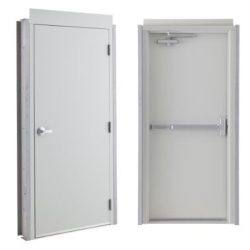
Explore steel building accessories including doors, insulation, windows, vents, wainscot, and extensions, plus planning guidance for your project.
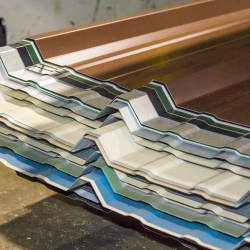
Explore steel building colors for wall panels, roofing, trim, doors, and accessories, plus paint system options and tips for choosing the right combination.
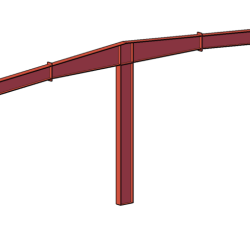
Explore metal building frame types from Box Metal Buildings, including clear-span, multi-span, single-slope, specialty, and custom steel buildings, and learn what affects frame selection.